Peace is not the same thing as return. The relationship between the mizo villages and their bamboo forests had been broken by regrouping and by twenty years of economic disconnection, and it didn’t reassemble itself.
Modern materials arrived first, and did what modern materials do. Corrugated iron replaced thatch. Concrete replaced framed bamboo. The skills that had held the older buildings in place passed out of daily use and, within a generation, out of transmission.
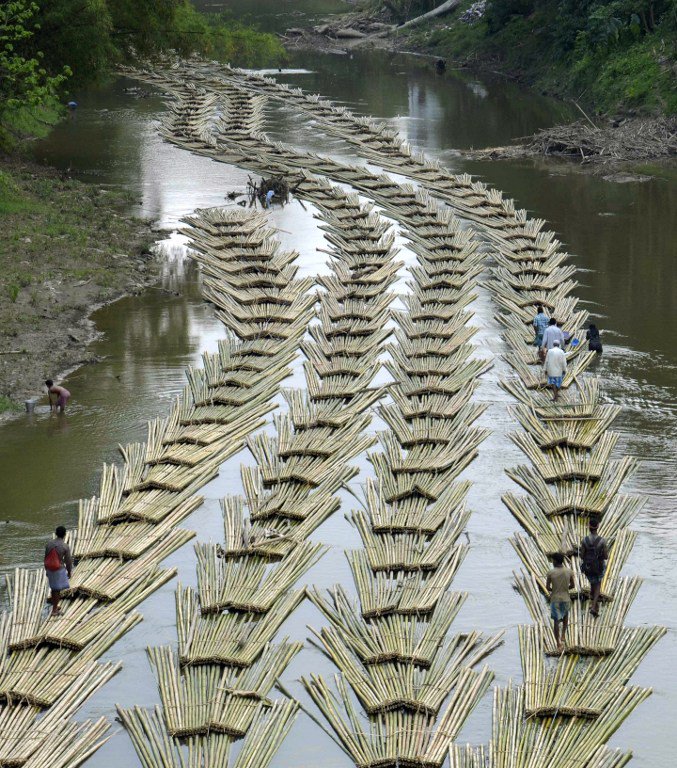
The forest kept producing. The bamboo was trucked out to pulp mills and incense factories beyond the state border. Raw material left; finished goods came back. Royalty revenues were sixty-six lakh rupees a year — about ninety percent of the forest department’s income and a rounding error on what the same material was worth once someone else had processed it.
Twelve percent of mizo households still worked bamboo by the time the studio began. Most of the others had forgotten — not the material, but the set of skills that turned it into livelihood.
we forgot that bamboo wasn’t just in our forests — it was in our blood.